A wet tile floor, a low toilet, and a dim light switch can turn a familiar bathroom into the riskiest room in the house. A senior bathroom safety makeover does not have to mean a full remodel or a contractor-heavy project. The right upgrades can make daily routines easier, reduce fall risks, and help older adults stay comfortable and independent at home.
Start with the problems that happen every day: stepping in and out of the shower, reaching for toiletries, standing from the toilet, and moving around at night. Then shop for practical solutions that fit the bathroom, the person’s mobility, and the household budget. Small changes can deliver a big improvement in confidence.
The shower is where balance, water, hard surfaces, and quick movements come together. That makes it the first place to focus your safety budget.
A curbless shower is an excellent long-term option, but it is not the only answer. For many homes, a sturdy shower chair or bath bench creates immediate support without changing the plumbing. Choose one with non-slip feet, adjustable height, and a surface that drains easily. A chair should allow the user to sit with both feet flat and stand without having to push from a slippery edge.
A handheld shower head is another high-value upgrade. It lets a seated person rinse comfortably, makes it easier for a caregiver to help, and simplifies cleaning the shower walls. Look for a hose long enough to reach the full bathing area and controls that are easy to grip with wet hands.
A towel bar is not built to support body weight. If someone reaches for it during a slip, it can pull away from the wall. Install purpose-built grab bars near the shower entry and inside the bathing area. They should be anchored securely into wall studs or installed with hardware rated for the wall type and the required load.
Placement matters as much as the bar itself. A vertical bar near the entrance can help with stepping in, while a horizontal bar provides steady support when standing, turning, or sitting. When in doubt, have a qualified installer assess the wall and the user’s movement pattern.
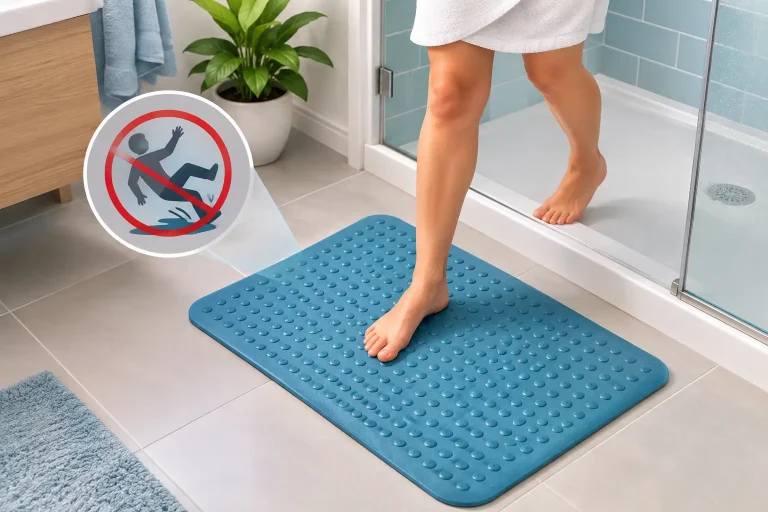
A plush bath mat may feel soft, but a loose one can slide, curl at the corners, or create a tripping edge. Replace it with a low-profile, non-slip mat that grips the floor and lies flat. Inside the shower or tub, use a non-slip surface designed for wet areas.
Keep the floor clear, too. Extra baskets, a laundry hamper, a scale, and decorative stools can make a tight bathroom harder to navigate. The goal is a direct, open route from the door to the toilet, sink, and shower. If storage is needed, choose wall-mounted shelves or slim organizers that keep essentials reachable without crowding the floor.
Water control also matters. A shower curtain should stay inside the tub or shower basin, and a properly fitted splash guard can help limit puddles outside the bathing area. For a shower door, make sure it opens easily and does not force the user to step backward while holding it.
Many bathroom accidents happen during nighttime trips, when eyes have not adjusted and the room feels unfamiliar. Bright, even lighting reduces shadows around the toilet, shower threshold, and cabinets.
Add a brighter overhead fixture if the current light leaves dark corners. Then place focused lighting near the mirror for grooming tasks such as shaving, applying medication, or inserting contacts. Choose bulbs that provide clear, comfortable light rather than harsh glare.
Motion-sensor night lights are one of the simplest upgrades in a senior bathroom safety makeover. Place them along the path from the bedroom to the bathroom, near the doorway, and close to the toilet. A soft glow is usually enough to guide safe movement without fully waking the household.
Light switches should be easy to find and use. Large rocker switches are often easier for people with arthritis or limited hand strength than small toggle switches. If the bathroom layout allows it, add a switch location that can be reached before walking into a dark room.
Standing from a standard-height toilet can be difficult for someone with knee pain, hip limitations, or reduced leg strength. A raised toilet seat can reduce the distance required to sit and stand, often without replacing the toilet itself.
For added support, consider a raised seat with secure locking hardware and armrests. The right choice depends on the user. Armrests can provide helpful leverage, but they may make transfers from a wheelchair or walker more complicated in a narrow space. Measure carefully and leave enough room for natural movement.
A safety frame or properly installed grab bars around the toilet can also make a major difference. The supports should be solid and positioned where the person naturally reaches. Avoid freestanding items that shift when weight is applied unless they are specifically designed and rated for that purpose.
A safe bathroom is not just about preventing falls. It also reduces stretching, twisting, and rushing. Store daily items between waist and shoulder height whenever possible. Soap, toothpaste, medication organizers, towels, and grooming tools should not require bending to a low cabinet or climbing onto a stool.
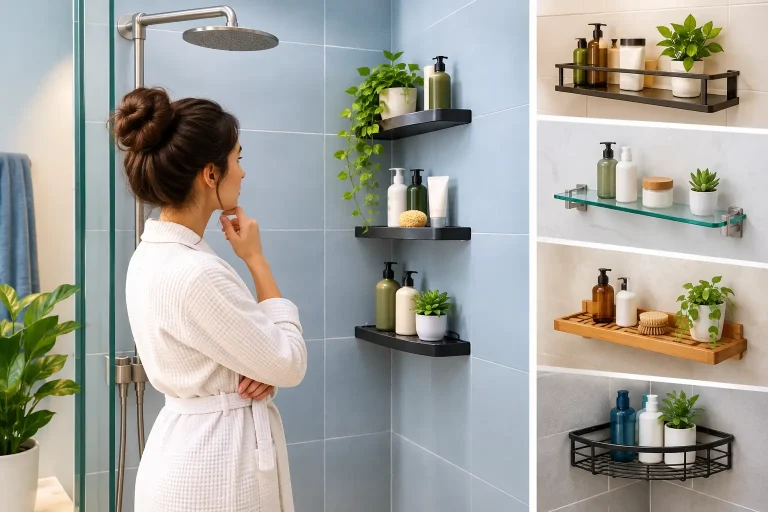
Wall-mounted shower caddies, suction accessories rated for bathroom use, and corner shelves can organize products near the point of use. Be selective. Too many bottles create clutter, and heavy containers can fall if stored on a weak shelf. Keep only frequently used products in the shower and move backups to a separate cabinet.
At the sink, a countertop organizer can prevent small items from spreading across the vanity. Choose stable storage with easy-to-grab handles or open compartments. For households managing prescriptions, keep medicines in a secure, dry location away from shower moisture, even if that means storing them outside the bathroom.
Round faucet knobs can be tough to turn for people with arthritis, tremors, or reduced grip strength. Lever-style faucet handles are generally easier to operate because they require less twisting. Anti-scald devices or thermostatic controls are worth considering when water temperature changes quickly or a user has reduced sensation in their hands and feet.
The same principle applies to cabinet pulls, toilet paper holders, and shower controls. Large, easy-to-grip hardware can make a bathroom feel more manageable without changing its look. For a quick refresh, match practical hardware in a finish that works with the existing fixtures.
If a bathroom needs cleaning support, a cordless electric scrubber can reduce the need to kneel, reach into corners, or use repetitive force. It is a convenience upgrade, but it can help caregivers and older adults keep slick soap buildup under control.
A bathroom that feels roomy when standing can become challenging with a walker, cane, or wheelchair. Measure the clear pathways before buying storage, a shower bench, or a toilet frame. Door swing, vanity depth, and the location of towel racks can all affect maneuvering space.
For someone who uses a walker, leave enough room to turn safely and park it within reach before sitting or entering the shower. For wheelchair users, transfer direction, seat height, and grab-bar placement should be planned around their specific equipment and strength. This is one area where a general product recommendation is not enough. An occupational therapist, aging-in-place specialist, or experienced accessibility contractor can provide guidance tailored to the person and the room.
Not every bathroom needs a complete renovation. Start with the upgrades that address an immediate risk: secure grab bars, non-slip surfaces, good lighting, and a shower seat or handheld shower head. These changes are usually more affordable and faster to install than replacing tile or moving plumbing.
Next, consider comfort and independence upgrades such as raised toilet seating, better storage, lever handles, and improved shower controls. A larger remodel may make sense if the current tub wall is too high to step over, the doorway is too narrow, or the layout cannot safely support a mobility aid.
Top Home Club makes it easier to shop practical home upgrades in one place, from bathroom hardware and organizers to lighting and cleaning tools. Focus on products with clear dimensions, weight ratings, and installation details so you can buy with more confidence.
The best bathroom setup is the one that supports a person’s actual routine, not a picture-perfect checklist. Watch where they pause, reach, steady themselves, or avoid using the room. Those small moments will point you toward the upgrade that can make tomorrow morning feel safer than today.


Leave a comment