A staircase that once barely registered can become the part of the house everyone plans around. So can a low sofa, a slick bathroom floor, or a dog that suddenly cannot keep up on walks. The right mobility aids can reduce that daily friction, support greater independence, and make familiar rooms feel usable again.
The best choice is rarely the biggest or most expensive product. It is the one that fits the person, the space, and the specific task causing trouble. A walker may help someone feel secure moving from bedroom to kitchen, while a chair lift may be the better answer when stairs are limiting access to an entire floor. Start with the real problem, then shop for a practical solution that earns its place at home.
Think about when assistance is needed most. Is it standing up after watching TV? Getting safely in and out of the shower? Carrying laundry up stairs? Walking the dog around the block? A clear answer keeps you from paying for features that do not solve the issue.
For example, someone with occasional balance concerns may need a cane or walker with a stable grip, not a large mobility scooter. Someone who can walk comfortably on level floors but struggles with stairs may benefit more from a stair chair lift than from a wheelchair. Mobility needs can also change over time, so consider whether a product can be adjusted, moved, or paired with other home modifications later.
Comfort matters as much as function. A support that feels awkward, is difficult to store, or does not fit through doorways is less likely to be used consistently. Before ordering, ask who will use it, where it will live, and whether a caregiver needs to operate or assist with it.
Canes, walking sticks, walkers, rollators, and wheelchairs all serve different purposes. A cane offers light support on one side of the body. A standard walker provides a wide, steady base but needs to be lifted slightly with each step. A rollator has wheels and often a seat, making it useful for longer distances, though it requires reliable hand control for the brakes.
A wheelchair can make outings and longer indoor trips more manageable when walking is painful, tiring, or unsafe. Check seat width, user weight capacity, footrest position, and whether the chair will fit through the narrowest doorway in the home. If it will be transported by car, folded dimensions and overall weight deserve just as much attention as comfort.
Stair chair lifts are designed for a very specific challenge: safely traveling between levels without climbing. They can be a meaningful investment for people who want to keep using a multistory home, but they require careful measurement and proper installation. Track configuration, stair width, power access, seat size, and weight capacity all affect whether a model is appropriate.
For transfers from a bed, toilet, or chair, supportive rails, lift assists, and raised seating can reduce strain on both the user and caregiver. A chair that is too low can make standing difficult even for people who walk well. Firm cushions, supportive armrests, and an appropriate seat height can make a noticeable difference without changing the whole room.
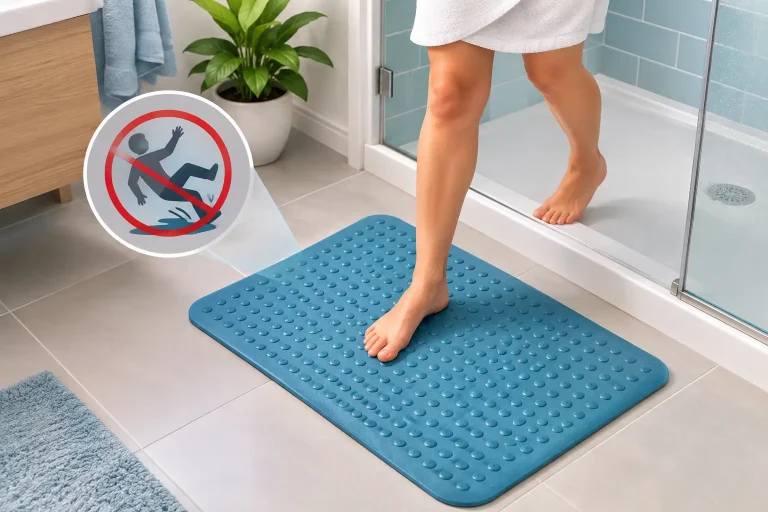
Bathrooms deserve special attention because water, hard surfaces, and tight spaces can turn a small loss of balance into a serious fall. Secure grab bars near the toilet and shower, a non-slip surface, a shower chair, and a handheld showerhead can make bathing less stressful.
Do not confuse a towel bar with a grab bar. Towel bars are not designed to support body weight. Any wall-mounted support should be installed according to its instructions and anchored correctly for the wall type. If there is any uncertainty about installation, professional help is a smart expense.
A product photo cannot show the tight turn at the end of a hallway or the raised threshold between the kitchen and patio. Measure first. Record doorway widths, hallway widths, stair dimensions, shower openings, the height of chairs and beds, and the available floor space around frequently used furniture.
For wheeled products, think about turning radius and surfaces. Thick rugs, cluttered cords, uneven thresholds, and crowded furniture layouts can make a perfectly good mobility device harder to use. Sometimes the most budget-friendly improvement is not another device. It is moving a side table, securing a rug, improving lighting, or creating a clearer path through the room.
For ramps, pay attention to slope, traction, edge protection, and the height of the threshold or steps being covered. A ramp that is too steep may be unsafe for a wheelchair user, walker user, or caregiver. Permanent changes to entrances and stairs may also require professional guidance or approval from a landlord or homeowners association.
Sale pricing is valuable, but only when the product is suitable for daily use. Verify the stated weight capacity and leave reasonable room for clothing, accessories, or carried items. For seating products, check dimensions rather than assuming “standard” will fit every body type comfortably.
Adjustability is especially helpful for canes, walkers, shower chairs, and lift supports. The user should not have to hunch over or reach too high for hand grips. Poor fit can lead to sore shoulders, poor posture, and less stability. If the user has a medical condition, recent surgery, significant weakness, or frequent falls, ask a clinician or physical therapist for guidance on the right device and fit.
Also consider the practical details that show up after delivery. Can one person assemble the item? Is it easy to clean? Can it fold or tuck away? Does it need charging, batteries, or routine maintenance? These questions help prevent a promising purchase from becoming unused equipment in a closet.
Mobility challenges are not limited to people. Older dogs and pets recovering from injury may need extra support to stay active and comfortable. Dog wheelchairs can help pets with hind-leg weakness move around with more freedom, while ramps and steps can reduce the need to jump onto sofas, beds, or into vehicles.
A pet wheelchair should be chosen by body measurements, not just breed or weight. Measure your pet as the product instructions recommend, and make sure the harness and frame allow natural movement without rubbing. Introduce any new support gradually with short, positive sessions. A veterinarian should assess sudden mobility changes, pain, dragging limbs, or trouble standing before you select equipment.
Use this quick check to compare options with more confidence:
This approach helps you focus on real value instead of choosing based on a low price alone. The right product should reduce effort and worry, not add another complicated task to the day.
Mobility products work best as part of a safer, more organized home. Clear walking routes, brighter lighting near stairs, secure rugs, reachable storage, and supportive bathroom hardware all help people use their mobility aid with greater confidence. Small home updates often make a bigger impact when they work together.
Choose the solution that makes the next ordinary moment easier: getting out of a favorite chair, taking a shower without fear, reaching the bedroom upstairs, or seeing a beloved pet move comfortably again. That is where a well-chosen mobility aid delivers its real value.




Leave a comment