A favorite dog bed should not become a place your pet cannot reach. When stairs, slick floors, or a too-narrow path turn everyday movement into a struggle, pet mobility becomes a home setup issue as much as a health issue. A few practical changes can help an aging, injured, or disabled pet move more safely while making daily care easier for everyone in the household.
Before buying any mobility product, watch how your pet moves through a normal day. The important route is usually not the entire house. It is the path between the bed, food and water, the door, the yard, and the room where the family spends time.
Look for hesitation before a step, paws sliding when turning, trouble getting up after rest, or a pet choosing to stay in one place rather than follow you. These signs can point to pain, weakness, poor balance, or reduced confidence. A veterinarian should assess sudden mobility changes, limping, dragging paws, or signs of discomfort. Home products can provide support, but they do not replace diagnosis or treatment.
Once you identify the trouble spots, make the route shorter, clearer, and easier to grip. Move bowls closer to a resting area if needed. Keep toys, baskets, cords, and shoes out of walkways. For a pet with limited vision or balance, consistency matters. Rearranging furniture every week can make the home harder to navigate.
Smooth wood, tile, laminate, and polished concrete can be especially difficult for older pets and dogs recovering from injury. A small slip may seem harmless, but repeated slipping can strain joints and make a pet fearful of walking across a room.
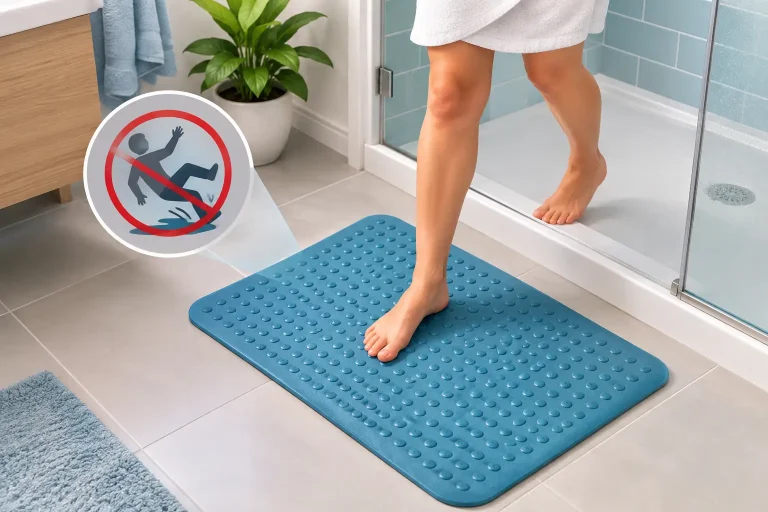
Non-slip runners, low-profile rugs, and traction mats can create a dependable route through key areas. Choose options that lie flat and have a grippy backing. Thick, loose rugs may look cozy but can catch a paw, bunch under a wheelchair, or create an awkward edge for a pet with weak legs.
Focus first on transitions: beside the bed, near food bowls, at exterior doors, and in hallways where your pet turns. If your dog uses a wheelchair, test the surface with the wheels in motion. The goal is enough traction for the pet to push comfortably without making the wheels difficult to roll.
Spills deserve quick attention, too. Keep water bowls on a waterproof mat with a raised edge, especially if your pet drinks enthusiastically or bumps the bowl while moving. In bathrooms and laundry rooms, a non-slip surface can make a major difference on damp floors.
A supportive bed is useful only when your pet can get into it. Low-entry orthopedic beds are often a better choice for pets with arthritis, hip discomfort, or reduced leg strength than tall, overstuffed beds. The sleeping surface should cushion pressure points without sinking so deeply that getting up becomes difficult.
Place the bed away from busy doorways and cold drafts, but not so far from household activity that your pet feels isolated. Many pets want to stay close to their people even when they need more rest. A bed near the living room, along with a clear path to water and the door, can support comfort without separating your pet from family life.
For pets that normally sleep on the sofa or your bed, a stable pet ramp or low, wide steps may help. This depends on the pet and the furniture. A ramp can be easier on joints than steps, but it requires enough floor space and a gentle enough angle. If the ramp is too steep, narrow, or slippery, it may create another obstacle instead of solving one.
A disabled dog wheelchair can help many pets stay active, go outside, and maintain a more normal routine. It can be especially helpful for hind-leg weakness, paralysis, recovery plans approved by a veterinarian, or progressive mobility conditions. But fit matters more than a low sticker price or a one-size-fits-all promise.
Measure carefully before choosing a wheelchair. Product measurements typically need to account for your dog’s height, body length, hip width, and weight. Your dog should be able to stand in a natural posture, with the frame supporting the body without rubbing the belly, shoulders, or legs. Wheel height needs to allow the paws to touch the ground appropriately if the design is meant for assisted walking rather than full rear support.
A proper wheelchair should not pinch, drag, tilt heavily to one side, or leave straps digging into the skin. Start with short, supervised sessions on level ground. Some dogs adapt quickly; others need time, treats, encouragement, and several calm practice sessions. Never force a pet to continue if they appear distressed, exhausted, or uncomfortable.
At Top Home Club, practical mobility-support options can be part of a value-focused home setup, but every purchase should begin with accurate measurements and your veterinarian’s guidance. The best deal is the product that is safe, usable, and suited to your pet’s actual needs.
When comparing mobility products, look beyond photos and consider the everyday experience:
A wheelchair may not be the right solution for every pet. A lifting harness can be more useful for short trips outside, getting into a car, or helping a dog stand after a nap. Ramps, traction mats, and an adjusted room layout may be enough for a pet with mild stiffness. The right choice depends on mobility level, diagnosis, size, energy, and the places your pet needs to reach.
Mobility support works best when it fits into everyday life. Keep leash, harness, wipes, and treats near the exit so outdoor trips do not become rushed. If stairs are unavoidable, consider limiting unsupervised access with a gate and helping your pet when needed. Carrying a small dog may be appropriate, but use safe lifting technique and support both the chest and hindquarters.
For larger dogs, a support harness can reduce strain on the caregiver while helping the dog stay steady. Avoid lifting only by the front legs, collar, or abdomen. If your pet has a spinal condition, recent surgery, or severe pain, ask your veterinarian for specific handling instructions before using any aid.
Regular checks are part of the routine. Look at paws for scuffs, nails for uneven wear, and skin for redness where a harness or wheelchair touches. Pets with reduced feeling in their legs may not react quickly to irritation, so visual checks are especially valuable. Keep mobility equipment clean and dry, and inspect straps, buckles, and wheels before use.
A safer setup can improve movement, but it may take time for your pet to trust it. Introduce one change at a time when possible. Let your dog investigate a ramp before asking them to use it. Reward calm progress. Keep sessions short, upbeat, and free from pressure.
Also expect needs to change. A pet recovering from an injury may need temporary support, while an older pet may benefit from gradual changes as strength and balance shift. Reassess the home when you notice new hesitation, increased slipping, or a change in daily habits.
The goal is not to make your home look like a clinic. It is to create a comfortable, practical space where your pet can rest, follow the family, and enjoy more of the day with less struggle. Start with the route they use next, make it safer, and let that small improvement build confidence one step at a time.



Leave a comment