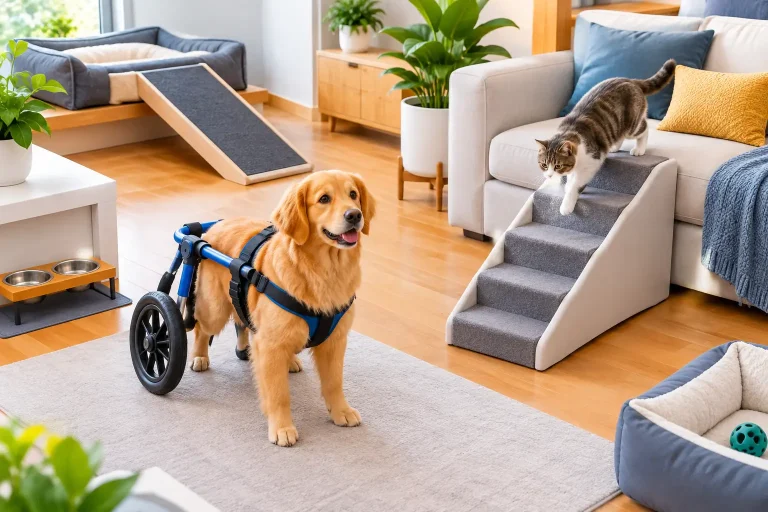
A dog who suddenly drags their back paws, struggles to stand, or tires after a few steps can turn everyday routines into a challenge. A dog wheelchair for back legs can help restore safe, supported movement for dogs with hind-leg weakness, paralysis, injury recovery, or age-related mobility changes. The right cart is not just about getting from room to room – it can help your pet stay involved in family life, enjoy outdoor time, and maintain muscle activity where possible.
A rear-support wheelchair holds up a dog’s hindquarters while allowing the front legs to do the work of walking. Most designs use a lightweight frame, two wheels, a saddle or support harness, and adjustable straps. The dog’s back legs may remain lightly supported above the ground, or they may touch down depending on the veterinarian’s recommendation and the cart’s design.
For some dogs, a wheelchair is a long-term mobility aid. For others, it is temporary support during recovery from surgery, a spinal injury, arthritis flare-ups, hip dysplasia, or degenerative conditions. The best outcome depends on the underlying cause of mobility loss, your dog’s strength, and a proper fit.
A cart cannot replace veterinary care. If your dog has sudden weakness, pain, loss of bladder or bowel control, a limp, or changes in appetite, contact a veterinarian promptly. Those signs can point to a condition that needs immediate treatment rather than a mobility product alone.
Before comparing styles, think about how your dog moves right now. A dog that has strong front legs and little use of the back legs may do well with a standard rear wheelchair. A dog with weakness in both the front and rear legs may need a more supportive design or a different care plan altogether.
Consider where the wheelchair will be used, too. Smooth indoor floors, short backyard paths, grass, gravel, and neighborhood sidewalks place different demands on wheels and frame construction. Larger wheels generally handle uneven ground more easily, while compact wheels can be practical for indoor use and smaller dogs.
Your dog’s daily routine matters just as much as the diagnosis. An energetic dog may need a durable frame and easy-adjust harnesses for regular walks. A senior dog who only needs help reaching the yard may prioritize soft support, simple setup, and a lightweight design that is easy for a caregiver to lift.
Sizing is the difference between a cart that supports movement and one that rubs, tips, or causes awkward posture. Do not rely only on breed or weight. Dogs of the same breed can have very different chest widths, body lengths, and leg heights.
Most rear wheelchairs require measurements for your dog’s weight, height from the ground to the groin, body length, and hip or chest width. Take measurements while your dog is standing naturally if they can do so safely. If they cannot stand without help, have another person gently support them while you measure, or ask your veterinary team for guidance.
The frame should position the body level, not tilted sharply forward or backward. The wheels should sit close enough to the hips for stability without rubbing the body. Support straps should be secure but should not pinch the belly, restrict breathing, or press into sensitive skin.
An adjustable wheelchair offers more room to fine-tune the fit as your dog gains or loses weight, recovers strength, or grows. Look for adjustable length, height, width, and harness straps whenever possible. This is especially useful for puppies, dogs in rehabilitation, and households managing a changing condition.
A fixed-size model may cost less, but a poor fit can quickly become an expensive mistake. Value is not only the sale price. It is the comfort, durability, and usable support your dog receives every day.
A lightweight metal frame is often easier for dogs to move and easier for owners to carry. Aluminum is a popular choice because it balances strength with lower weight. For frequent use, examine how the frame joins together and whether the wheels feel steady rather than loose or wobbly.
Comfortable, washable harness material is another priority. Rear support can be designed as a sling, saddle, or padded leg rings. No single option suits every dog. A sling-style support may feel better for a dog with limited leg control, while leg rings can work well for some dogs who can place their paws and move more independently. Watch closely for rubbing around the groin, thighs, chest, and belly.
For outdoor use, choose wheels with enough traction and clearance for your usual walking surface. Foam or rubber-style wheels can provide a smoother ride, while sturdier tread can be useful on grass and uneven paths. If your dog will use the cart indoors, confirm that the wheel size can turn through hallways and avoid scratching delicate flooring.
It also helps to choose a design that can be assembled, adjusted, and cleaned without a complicated routine. When a mobility aid is simple to use, it is more likely to become a comfortable part of the day instead of a frustrating chore.
Even a confident dog may need time to understand a new wheelchair. Start in a calm, open area with good traction. Let your dog sniff the cart first, then fit it for a few minutes without expecting a long walk. Offer praise, calm encouragement, and a favorite treat when they stand comfortably.
Keep the first sessions short. Some dogs take off quickly, while others need several days or weeks to coordinate their front legs and balance. Avoid pulling the cart forward or forcing movement. Instead, encourage a few natural steps, then stop before your dog becomes tired or discouraged.
Check the fit after each early session. Look for red skin, chafing, changes in breathing, or signs of discomfort such as freezing, trying to sit repeatedly, or refusing to move. Small strap adjustments can make a major difference. If the cart continues to seem uncomfortable, stop using it and consult your veterinarian or a canine rehabilitation professional.
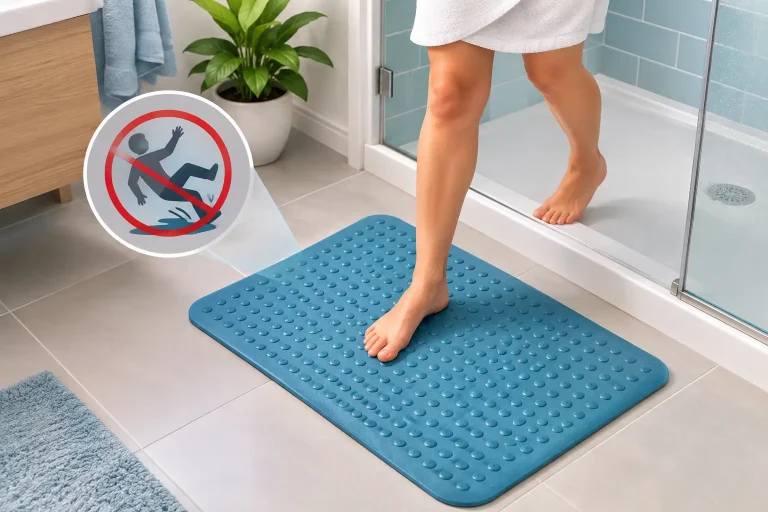
A wheelchair can improve movement, but a few home changes can make that movement safer. Clear narrow pathways of baskets, cords, low furniture, and clutter. Add non-slip rugs or traction mats on slick floors, especially between your dog’s bed, food area, and the door.
Use ramps instead of stairs where practical, and keep wheelchair walks supervised around pools, decks, sharp turns, and uneven thresholds. Dogs with reduced hind-leg control can still get tired quickly, even when a cart makes walking look easier. Build in rest breaks, fresh water, and a clean, dry place to lie down after activity.
Skin care matters, too. Dogs who drag or have reduced sensation in their hind legs may develop scrapes or pressure sores. Check paws, legs, hips, and the area beneath the harness daily. Keep fur clean and dry, and ask your veterinarian about protective boots or other support products if your dog scuffs their paws.
A rear wheelchair works best when the front legs are strong enough to support forward movement. If your dog has severe shoulder weakness, uncontrolled pain, major balance problems, or a medical condition that makes activity unsafe, a cart may need to wait or may not be appropriate.
The goal is comfort and quality of life, not forcing a dog to move beyond their ability. Some dogs benefit more from a lifting harness, orthopedic bedding, ramps, medication, physical therapy, or a combination of supports. A veterinarian can help you decide what makes sense for your dog’s specific condition.
A well-fitted mobility cart can make everyday life feel bigger again: a trip to the yard, a sniff-filled walk, or simply following you from room to room. Choose carefully, adjust patiently, and focus on the small moments your dog enjoys most. For practical pet mobility solutions and value-focused home essentials, Top Home Club helps make supportive daily care easier to shop for.



Leave a comment